
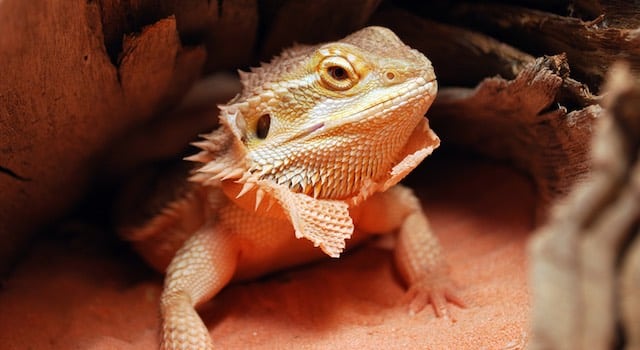
What is Bearded Dragon Shedding?
If you are new to owning bearded dragons, it’s important to understand the bearded dragon shedding process and how it plays a key role in the health and overall well-being of these reptiles. Shedding is a natural process that bearded dragons undergo to replace old skin with new skin. They shed throughout their lives, but more frequently when they are in the growth phase.
The shedding process is a good indication of your bearded dragon’s health. It can even provide insight into underlying health issues, improper husbandry, or inadequate nutrition.
Anatomy of Bearded Dragon Skin
The scientific name for the bearded dragon shedding process is called ecdysis. Unlike humans, bearded dragons have to shed their old skin as they grow. Their skin is made up of keratinized scales, which are rough and inelastic, so it doesn’t stretch as they grow. However, they still shed even when they are fully grown to renew damaged skin.
The skin can become damaged from injuries or infections, and shedding is a good sign that your bearded dragon is healing. Shedding also allows them to remove irritations like parasites or dirt from their old skin.
Bearded dragons generally shed the outer layer of skin to reveal a shiny inner layer that was growing underneath. Most bearded dragons don’t shed their entire old skin at once but rather through multiple flaky pieces that they sometimes remove with their mouths. Shedding is not painful and is a normal process for these reptiles at any stage of their life.
Understanding the Bearded Dragon Shedding Cycle
Pre-Shedding Stage
The first stage of the shedding cycle involves several physical and behavioral changes. They might become less active and eat less than usual. Their skin may appear dull, discolored, and detached in some places as it prepares to flake off. This stage can last for a few days.
Shedding Stage
This is the stage where bearded dragons start to shed the old skin to reveal the new skin underneath. The skin will shed in different pieces, usually starting from the head and ending at the tail. Their old skin will look flaky and discolored, sort of like they are wearing an oversized layer of skin.
Post-Shedding Stage
Once bearded dragons have successfully shed their old skin, they enter the post-shedding stage. Their new skin will look vibrant and colorful, which is refreshing to see after their dull coloration during the previous stages. They will start regaining their appetite and resume their normal behaviors before they prepare for the next shedding cycle.
Generally, the bearded dragon shedding cycle lasts anywhere from a day to up to 3 weeks. Hatchlings complete the shedding cycle within 1 to 3 days, whereas juveniles may take up to two weeks. Adult bearded dragons complete their shed within 2 to 3 weeks unless they experience complications that can hinder the shedding process.
The frequency your bearded dragons shed depends on their age and health. Young bearded dragons shed more frequently because they are in the growth phase. Fully grown adults tend to shed every few months to renew their skin and not to support rapid growth.
| Bearded Dragon Age: | Shed Frequency: |
| Hatchlings (0 – 4 months): | Every 1 to 2 weeks |
| Juveniles (4 – 12 months): | Every 4 to 8 weeks |
| Adults (12+ months): | Every 2 to 3 months |
Signs of Impending Bearded Dragon Shedding
- Changes in skin color: A bearded dragon’s skin will darken and appear dull or grey.
- Reduced appetite: It’s common for these reptiles to refuse food before, during, and shortly after shedding. Instead, they will eat pieces of their own shed for nutrients.
- Restlessness: Increased restlessness is normal due to the slight discomfort or itchiness associated with shedding. They might rub themselves against rough objects in the enclosure to help loosen the skin and relieve itchiness.
- Dull eyes: The skin around the eyes can become dry and patchy, making the eyes appear cloudy.
- Inactivity: Bearded dragons use a lot of energy to shed, so they may hide or rest more than usual. They may hide more than usual because they are vulnerable to predators in the wild while shedding.
- Darkened beard: Beard darkening can be a sign that bearded dragons are starting to shed.
Detailed Process of Bearded Dragon Shedding
Bearded dragon shedding is a complicated process that is vital for their health. It’s believed to be caused by hormones to renew the skin, hence why young bearded dragons shed more often in response to hormonal changes. Certain environmental factors, like humidity levels, also play a significant role in the shedding cycle.
Humidity in the enclosure can trigger the shedding process and hydrate the skin, making it easier to shed. The ideal humidity range for bearded dragons is between 30% to 50%. If the humidity levels are too low, they can have difficulty shedding their skin properly, leading to complications like “stuck shed.”
Adult bearded dragons shed differently than their younger counterparts. This is because they are no longer shedding to grow, so you can expect their sheds to be more uneven and patchy as they mature.
During the shedding process, bearded dragons grow a new layer of skin (epidermis) under the old one. Once the new skin has been fully replicated, special enzymes are released to separate the two layers of skin. These enzymes loosen the outer layer of the skin and trigger the pre-shedding stage.
Common Issues During Bearded Dragon Shedding
Shedding isn’t always a smooth process for bearded dragons, and it’s common for certain issues to arise. The most common shedding issues include stuck shed, infections, and skin injuries. These issues are usually caused by factors related to improper care, inadequate diets, breeding, and humidity.
Stuck shed (retained shed)
The old skin can get stuck and difficult to remove, usually around the toes, eyes, and tail. The stuck shed can restrict the blood flow to these parts of the body and be harmful to your bearded dragon’s health. Incorrect humidity levels are often to blame for most cases of stuck sheds.
Infections
Bacterial, fungal, and parasitic infections can lead to serious complications during the shedding process. Yellow fungus disease is a fungal infection that causes yellow patches on the skin. It’s primarily caused by incorrect humidity levels and poor hygiene. Bacterial infections can result from injuries caused by stuck sheds or from your bearded dragon rubbing against rough items to remove the shed. Furthermore, parasites like mites can irritate the skin and create open wounds that are at risk of infections.
Signs of Abnormal Bearded Dragon Shedding:
- Dry patches of old skin attached to toes, eyes, or the tips of the tail that aren’t coming off with the rest of the shed skin.
- Yellow patches of skin may indicate a fungal infection.
- Visible skin injuries like cuts and abrasions.
- A complete lack of appetite even after shedding is complete.
- Lethargy or refusing to move from one place.
- Rapid breathing.
If you notice any signs of abnormal shedding in your bearded dragon, it’s important to take them to an exotic veterinarian for treatment.
Helping Your Bearded Dragon Through Shedding
Maintain Proper Humidity Levels
The humidity levels should be maintained between 30% to 50%, which is similar to the conditions in their natural habitat. Humidity keeps the skin moist so that it can easily peel off during shedding. You can use a spray bottle with tap water to regularly mist your bearded dragon’s enclosure and raise the humidity levels. It’s a good idea to use a hydrometer to monitor the humidity levels and adjust it when necessary.
Provide Rough Materials
Bearded dragons usually rub themselves against rough materials in their enclosure to aid in the shedding process. They do it to break off the old skin and to remove any patches that might have gotten stuck. You can provide pieces of reptile-safe driftwood or rocks for your bearded dragon to rub against. Keep in mind that the materials must have a rough surface and not be sharp to avoid injuring your bearded dragon.
Ensure Proper Bearded Dragon Tank Setup
The enclosure should be set up with a basking spot, UV light, substrate, enrichment, and hideouts. This allows your reptile to exhibit natural behaviors that keep them healthy and happy. A healthy bearded dragon is going to have a much smoother shedding process with little to no complications.
They should have a basking spot for warmth and a UV light for essential UVB rays for vitamin D3 production. Hideouts provide bearded dragons with privacy, which they naturally seek out during shedding to make them feel safer.
Managing Stuck Shed and Skin Injuries
To help manage stuck sheds in bearded dragons, use the following tips.
- Raise the humidity levels: Make sure the humidity levels are between 30% to 50%. Dry conditions can make it difficult for bearded dragons to shed properly. Mist the enclosure with a spray periodically throughout the day to maintain ideal humidity levels.
- Apply a reptile shedding aid: Consider using a reptile shedding spray to soften the stuck shed so that it’s easier to remove. These are available from most reptile stores and online retailers.
- Provide roach surfaces: Add pieces of driftwood and rocks for your bearded dragon to rub the stuck shed against.
- Warm water bath: You can soak your bearded dragon in lukewarm water for around 10 to 15 minutes. This must be done in a shallow container, making sure the water line is below your bearded dragon’s head. These soaks moisten the skin and promote hydration.
You never want to peel the skin yourself because this can damage the new skin underneath. Your bearded dragon’s skin is delicate during shedding and should be removed with caution. If none of the above methods are working, it’s best to seek veterinary advice.
Bearded Dragon Skin Health and Hygiene
It’s important to regularly inspect your bearded dragon’s skin and look out for any abnormal signs or indications that they are starting the shedding cycle. Certain skin conditions can interfere with shedding, so its better to catch any issues early on to ensure they can shed properly. Any skin infections or injuries should be treated with the help of an exotic veterinarian. Regularly check for external parasites like mites that can interfere with shedding and damage your bearded dragon’s skin.
You should also regularly clean and maintain the enclosure during shedding. A hygienic environment lowers the risk of infections caused by bacteria and fungi. It’s not usually necessary to remove the shed from the enclosure because most bearded dragons eat it. However, you can remove any pieces that haven’t eaten.
Bearded Dragon Shedding and Health Conditions
A bearded dragon’s health can influence the shedding process. Health issues like metabolic bone disease and parasitic infections can cause irregular shedding patterns and seriously impact your reptile’s health. Their bodies will use a lot of energy to recover from health issues, making it difficult for them to shed normally.
An unhealthy bearded dragon usually sheds too often or too infrequently. Stress and malnutrition can also disrupt the natural shedding cycle and make them more susceptible to health issues related to weakened immune systems or nutritional deficiencies.
Celebrating Successful Sheds and Recovery
Once there are no more patches of old skin and the shiny new layer is revealed, your bearded dragon has successfully shed. Their new skin will enhance their vibrant colors and absorb UVB light more effectively.
It can take up to three days for your bearded dragon’s appetite and behavior to return to normal post-shed. Some bearded dragons are back to normal within the same day and will bask, eat, and explore as usual. It is also common for them to rest after shedding because it can be a tiring process, and proper rest is great for recovery.
Conclusion
Bearded dragons shed to renew their skin throughout their lives. It’s a natural process that isn’t painful and has a significant role in the health of a bearded dragon. Hatchlings and juveniles shed more frequently than adults to support their rapid growth. The shedding process generally lasts for a few days to about 3 weeks unless there are issues like stuck sheds or infections. It’s important to monitor your bearded dragon’s skin and ensure their environmental conditions and diet are suitable for optimal skin health.