Introduction to Bearded Dragon Respiratory Infections
Respiratory infections (RI) are common health issues affecting bearded dragons and have various causes and severity. It can affect bearded dragons at any age and can become a serious health concern without prompt veterinary care. The most common causes of respiratory infections include improper husbandry and hygiene practices. It causes symptoms similar to a human cold or flu, such as excessive sneezing, nasal discharge, and a loss of appetite. Respiratory infections can easily be prevented by proper care, hygiene, and reducing stress.
If you want to know more about respiratory infections in bearded dragons and how you can detect, treat, and prevent them, then this article will be helpful for you.
What is a Respiratory Infection?
According to experts at PetMD, respiratory infections, also called “pneumonia,” are infections within the breathing structures, including the nose, mouth, sinuses, lungs, and windpipe. Bearded dragons can experience two types of respiratory infections: upper respiratory infections (URI) and lower respiratory infections (LRI).
Lower respiratory infections are more severe because they affect the lungs and bronchi, leading to more serious symptoms such as difficulty breathing, lethargy, and bloat. On the other hand, URIs affect the upper respiratory tract, including the throat and nasal passages. However, a URI can progress to an LRI if the infection is not adequately managed and treated, leading to more severe symptoms and potentially life-threatening complications.
Causes of Bearded Dragon Respiratory Infections?
Respiratory infections can be viral, fungal, bacterial, parasitic, or sometimes a combination. Bacterial and fungal-related respiratory infections are the most common causes of both URIs and LRIs. When the infection weakens a bearded dragon’s immune system, it allows the pathogens to invade the respiratory tract. Furthermore, parasites like Strongyloides stercoralis (a type of roundworm) and Paragonimus (lung fluke) can migrate from other parts of the body to the lungs and cause infections.
Bearded dragons can get respiratory infections from stress, poor diets, improper care, and cold and dirty living conditions. Infections can also occur from cross-contamination with other infected reptiles or bearded dragons. This can happen when handling infected reptiles without properly sanitizing your hands or tools (such as feeding tongs) and contaminating your healthy reptiles.
The most common causes of respiratory infections in bearded dragons include:
- Excess Humidity: Humidity levels above 40% create damp and humid conditions that are ideal for bacteria and fungus growth. With poor ventilation, stagnant, moist air can exacerbate the development of infection-causing pathogens that can cause respiratory infections. These conditions can also be stressful for bearded dragons, weakening their immune system and making them more susceptible to infections.
- Dirty Conditions: A dirty, poorly maintained enclosure can harbor harmful pathogens and put your bearded dragon at risk of developing a respiratory infection.
- Incorrect Temperatures: Prolonged cold and damp conditions commonly cause respiratory infections. Bearded dragons are ectothermic (cold-blooded) and need external heat to maintain critical bodily functions. A lack of a proper basking spot and regulated temperature zones can lead to stress and a weakened immune system, and ultimately to a respiratory infection.
- Aspiration of Water: Aspiration occurs when bearded dragons inhale water into their airways instead of swallowing it. This could lead to aspiration pneumonia, a serious health concern that causes wheezing, coughing, and difficulty breathing. Aspiration commonly happens during bath time or if a bearded dragon is suddenly startled while drinking water.
Signs of a Respiratory Infection in Bearded Dragons
The signs of respiratory infections can range from mild to severe depending on the primary cause or how long it goes untreated.
Physical Signs:
- Nasal discharge
- Sneezing
- Wheezing and clicking sounds
- Rapid breathing
- Difficulty breathing
- Open-mouth breathing
- Shallow breathing
- Body swelling or bloat
- Dull skin
- Changes in bowel movements
Behavioral Signs:
- Decreased appetite
- Persistent black bearding (a sign of stress and discomfort)
- Lethargy
- Weight loss
- Changes in normal routine behaviors (such as basking, exploring, and climbing)
- Sleeping or hiding more than usual
- Shedding issues
Prevention of Respiratory Infections
Maintain Ideal Humidity Levels
To prevent respiratory infections caused by incorrect humidity levels, ensure the humidity is below 40%. Bearded dragons do not need much humidity to thrive, and it’s better to keep the enclosure a bit too dry rather than too damp and humid.
Ensure Proper Airflow
Proper ventilation is essential for preventing stagnant air that can cause harmful pathogens to grow. Your bearded dragon’s enclosure should have two or more ventilation points, ideally on either side, for cross-ventilation. Proper airflow is essential for maintaining ideal humidity levels and preventing excess moisture build-up that can harm your bearded dragon.
Keep the Enclosure Clean
Regularly spot-cleaning and maintaining the enclosure is essential for your bearded dragon’s health. You should be regularly spot-cleaning the enclosure daily or every other day, depending on how quickly it becomes dirty. Spot cleaning typically involves removing leftover food, replacing small sections of soiled substrate, refreshing the water dish, and general tidying. At least once a month, you should give the enclosure a deep clean, which involves removing the old substrate, replacing it, and sanitizing the entire enclosure (such as the glass, feeding dishes, and platforms).
Temperature Regulation
Ensure your bearded dragon has a basking spot with a temperature of 107-113°F (42-45°C). The ambient temperature should be between 72-99°F (22-37°C) and the cool zone 77-84°F (25-29°C). Bearded dragons need to be able to move between different temperature gradients to thermoregulate appropriately. It keeps them healthy and supports a healthy immune system, which is crucial for preventing respiratory infections.
What to Do if You Suspect a Respiratory Infection
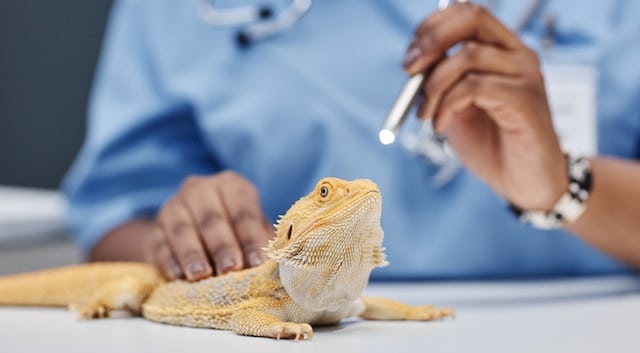
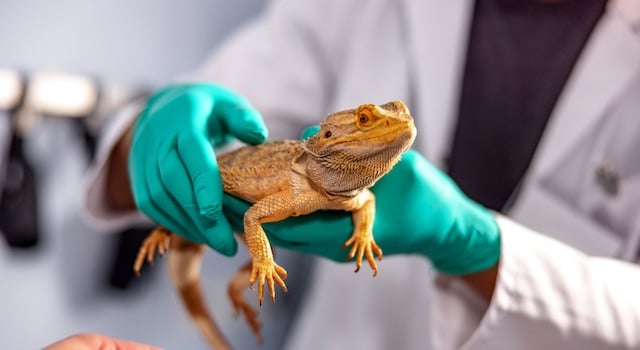
Respiratory infections do not typically resolve on their own and require veterinary treatment. You should avoid trying to treat your bearded dragons respiratory infection at home and instead have them diagnosed and treated by a veterinarian. Untreated URIs can progress into LRIs, leading to more serious, life-threatening symptoms. They often require medications and other medical interventions that need to be administered by a veterinarian. You shouldn’t attempt to treat the respiratory infection with home remedies without consulting a veterinarian first. While you wait for the vet visit, check and adjust any humidity or temperature issues and avoid additional stressors like handling or housing them with tank mates.
Long-Term Management of Respiratory Infections
- Reassess Husbandry Practices: In most cases, your bearded dragon might need long-term care following a diagnosis and treatment. This will involve adjusting the enclosure conditions and husbandry practices to prevent a reoccurrence.
- Regular Monitoring: You should regularly check for early signs of illness to address potential health issues promptly. Most health issues, including respiratory infections, are more likely to recover when treated early on. You should also monitor for signs that the respiratory infection could be returning or if their symptoms worsen even after treatment, as this can indicate that the medications are not working as well as they should be.
- Veterinary Care: Schedule regular veterinary health checks as part of your bearded dragon’s care routine. This is helpful because potential health issues can be detected early when they are usually easier to treat. Veterinary care is essential to responsible pet ownership, and health checkups are necessary even if your bearded dragon is well-cared for.
Common Misconceptions About Bearded Dragon Respiratory Infections
1. All Bearded Dragons Need High Humidity
Bearded dragons are native to arid, desert-like environments in Australia, where humidity is relatively low. Unlike many reptiles, they typically only need about 30-40% humidity; anything higher could lead to respiratory and skin issues. High humidity can do more harm than good, even if you intend to keep them hydrated, considering there are better ways to keep them hydrated.
2. It Will Go Away On Its Own
Respiratory infections generally do not go away on their own and require veterinary treatment. This is true even if your bearded dragon seems otherwise healthy and only shows mild symptoms. Respiratory infections can weaken the immune system over time and lead to stress and discomfort.
Furthermore, leaving the respiratory infection to improve on its own can be dangerous because it can progress to an LRI and put your bearded dragon’s life at risk. LRI is also more challenging to treat, leading to higher medical bills and more significant harm to your bearded dragon’s respiratory health than if you had treated it earlier.
Conclusion
Respiratory infections are a common yet serious health issue that requires veterinary treatment and often long-term management. Bearded dragons can suffer from upper and lower respiratory infections, with LRIs being more serious and life-threatening. The main symptoms associated with respiratory infections include sneezing, lethargy, nasal discharge, and appetite changes. Proper husbandry is essential for preventing respiratory infections and ensuring your bearded dragon can recover from an existing infection properly.