
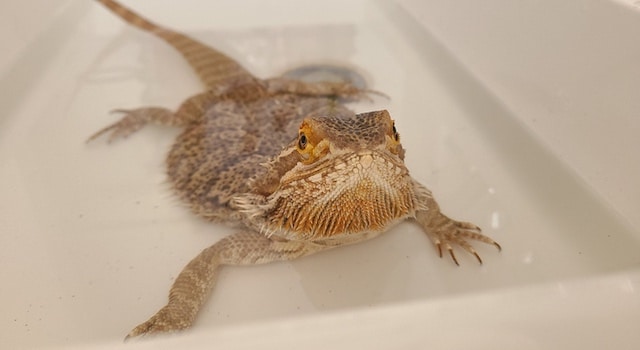
Introduction to Bathing a Bearded Dragon
If you are a beginner bearded dragon owner, you have most likely seen the recommendations and controversy on bathing these reptiles. Undoubtedly, it can be a confusing topic, especially since some experts recommend it while others are completely against it. The answer as to whether bearded dragons should be bathed isn’t entirely straightforward, and there are various pros and cons to consider.
If you are looking for a complete guide on bathing bearded dragons, this article will answer any questions you might have. We will discuss the benefits, potential risks, and alternative care strategies.
Do Bearded Dragons Need Baths?
Where bearded dragons need to bathe is a debatable topic among reptile enthusiasts. Some suggest that it is essential for hydration and cleanliness, while others suggest that it can be stressful and unnatural for them.
In general, baths are not necessarily harmful to bearded dragons if done correctly and can even have some noticeable benefits. However, baths are unnecessary for a care routine, and bearded dragons will be fine without them. Whether or not you choose to bathe your bearded dragon is entirely up to you. Each bearded dragon is different and may need slightly different care than others. It’s worth noting that bearded dragons are native to arid environments and will never be bathed in the wild. They are not aquatic creatures and could become stressed if their bodies are unwillingly submerged in water.
Reasons to Bathe a Bearded Dragon
1. To Clean Poop
The main reason that you might need to bathe your bearded dragon is to clean any poop that may have accidentally ended up on its body. Occasionally they may walk through their own poop, and the easiest way to remove it is the wash it off with a bath.
You should only bathe your bearded dragon with water and avoid using soaps, shampoos, or chemicals. This can harm bearded dragons by irritating their skin and disrupting the natural biome. Plus, it can be harmful for them to ingest or get in their eyes.
2. Hydration
Some owners bathe their bearded dragon because it encourages them to drink water and keep hydrated. This is also referred to as “soaks,” but some people prefer calling it baths instead.
Contrary to the common misconception, they do not absorb water through their skin or cloaca. Drinking the water directly is the only way for a bearded dragon to hydrate during bathing. However, there are much better forms of additional hydration, such as moisture-rich foods, multiple water dishes throughout the enclosure, and ideal humidity levels. Also, baths should never be a bearded dragon’s only form of hydration. You must ensure they have access to fresh, clean water in their enclosure at all times.
3. Occasional Enrichment
Baths can be a form of both mental and physical enrichment for bearded dragons. Some beardies enjoy baths and find it entertaining and relaxing, although this isn’t always the case. It also encourages them to move around, which is great for exercise and physical enrichment.
4. Encourages Bowel Movements
Another reason you might want to consider bathing your bearded dragon is that it can encourage them to poop. This could potentially be helpful for constipation and impaction, as warm water can help to stimulate bowel movement. We recommend always consulting with an exotic veterinarian before attempting any at-home remedies.
The Risks of Over-Bathing
An occasional bath isn’t necessarily bad for bearded dragons, but doing it too frequently can be. Overbathing’s main risk is that it can cause premature urate and fecal release, which may lead to dehydration. While yes baths can be hydrating because they encourage them to drink water, they can have the opposite effect if done too frequently.
Bearded dragons lose some water when they poop because they pass fluids known as “urates” at the same time. They pass urate instead of urine (like us) because they are uricotelic, an adaptation that allows them to conserve water in arid environments. That’s why most bearded dragons will drink right after to replenish their lost water. Furthermore, it can disrupt the balance of essential minerals in the body each time fluid is lost. Minerals such as potassium and sodium are important in keeping them hydrated and regulating electrolytes and fluids in the body. This can be avoided by ensuring that your bearded dragon isn’t being bathed too often, especially if it is causing them to poop more than usual.
Debunking Myths About Baths and Shedding
Bathing your bearded dragon regularly, hoping that it will help hydrate their skin to aid with their next shed, is not going to do much. Bearded dragon scales are made from keratin and do not absorb water, so baths do not help. Flaking scales are a normal sign of shedding and usually don’t require assistance peeling off.
It’s better to prevent stuck sheds in the first place by providing humid hides and maintaining an ideal humidity range in the enclosure. Humid hides are small caves with damp substrates, such as sphagnum moss. Bearded dragons can retreat to their humid hide when shedding, offering them higher humidity levels than the rest of the enclosure.
How to Bathe Your Bearded Dragon Safely
Step-by-Step Guide:
Bathing your bearded dragon is a fairly straightforward process. All you need to do is place lukewarm water in a container, small kiddies pool, or a sink that isn’t frequently used. Remember, bearded dragons often poop in the water, which can contaminate household containers and sinks with salmonella. If you use a bathtub or sink, sanitize and clean it thoroughly afterward.
The water should be shallow enough to cover their legs and prevent drowning. You should never completely submerge your bearded dragon underwater, even to encourage them to swim. It’s too risky and stressful, so ensure the water never rises above their head.
Look for Signs of Stress:
It’s important to observe your bearded dragon’s reaction during baths and remove them from it if they show signs of stress. Common signs during baths include rapid breathing, thrashing, or trying to escape. Baths are only optional for bearded dragons, and it is not worth causing them unnecessary stress if they do not enjoy it.
When to Avoid Baths Altogether
Not every bearded dragon finds baths fun or relaxing; some may find it distressing. This is understandable since they are placed in an unfamiliar environment and submerged in water, which can instinctively make them fearful of drowning. If your beardie becomes easily stressed during bath time or tries to escape, it’s best to bathe them when necessary or avoid them altogether. Stress is not good for bearded dragons and may make them more susceptible to certain illnesses.
Furthermore, you should avoid bathing them when they are ill. Illnesses already make your bearded dragon feel vulnerable and stressed and bathing adds additional stress that could worsen their condition. It also isn’t good to expose an ill bearded dragon to water and the sudden temperature changes that could further weaken their immune system.
Alternatives to Bathing for Hydration and Enrichment
As previously mentioned, there are better alternatives to bathing for hydration and enrichment.
- Multiple Water Dishes: It’s a good idea to have at least two water dishes in the enclosure to promote hydration. A second water dish can be used as a backup in case something happens to one of them, such as substrate getting into it or being tipped over. You should ideally have a water dish in the warm zone and another in the cooler zone of the enclosure.
- Fresh Veggies: Bearded dragons absorb moisture from their food for hydration. Including more veggies high in water in their diet can help to keep them hydrated.
- Misting Food: Besides offering high-water content veggies, you can mist the food with a spray bottle during each meal to encourage your bearded dragon to drink more.
- Misting the Enclosure: An occasional mist of the enclosure is important for maintaining ideal humidity levels but also encourages beardies to stay hydrated. They often lick the leftover water droplets after each misting, usually on the glass or nearby objects.
- Add Enrichment Items: Baths are not the only form of enrichment for bearded dragons. Adding textured vines, branches, and hideouts and ensuring they have the correct enclosure setup provide mental and physical enrichment.
Conclusion
Baths are generally only necessary for occasional enrichment and cleaning poop. Most bearded dragons should only be bathed once or twice a month rather than several times weekly. Overbathing your bearded dragon can have the opposite effect and could potentially dehydrate them due to excessive bowel movements. Bathing isn’t essential to routine care, especially if there are other beneficial ways to keep your bearded dragon healthy and hydrated through their diet and environment.