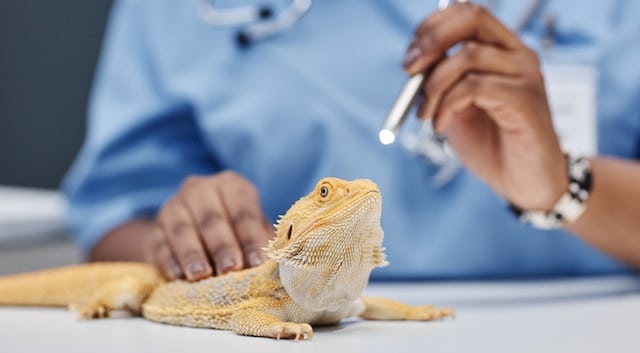

One of the most worrying experiences for a new bearded dragon owner is the first time their normally active beardie suddenly stops eating, hides for days at a time, and seems to be sleeping their life away. The instinct is to panic and assume something is seriously wrong — but in many cases, what you’re actually watching is brumation. It’s the reptile version of hibernation, and it’s a completely normal, healthy part of a bearded dragon’s life.
That said, brumation can look almost identical to genuine illness, and that overlap is why it pays to understand exactly what’s happening before deciding how to respond. A vet check is almost always the right first step. From there, supporting your dragon through brumation is straightforward — most of it is about leaving them alone and trusting the process.
This guide walks you through what brumation actually is, the common signs to look for, how to tell brumation apart from illness, how to care for your dragon during this time, when not to allow brumation, and how to help them come out of it safely. By the end, you’ll have a clear roadmap for what’s typically a multi-month process.
What Is Brumation? (And Is It the Same as Hibernation?)
Brumation is the reptile equivalent of hibernation. It’s a period of dormancy that bearded dragons enter when temperatures drop, and daylight shortens — a biological response built into the species over millions of years of evolution in the Australian outback. Their metabolism slows dramatically, appetite drops to almost nothing, and activity tapers off until they’re sleeping most of the day in a cool hide.
The reason it’s called brumation rather than hibernation comes down to one key difference. Mammals that hibernate fall into a deep, continuous sleep with no awareness of the outside world. Reptiles in brumation can and do wake up periodically — for a drink of water, a quick bask, occasionally even a small meal — before settling back down. They’re not unconscious. They’re just running on idle.
In the wild, brumation is a survival strategy. Cooler winters bring less heat from the sun, less food availability, and conditions where bearded dragons simply couldn’t digest food properly even if they ate it. Brumation lets them safely shut down for months at a time and ride out the winter on stored fat reserves. They dig a hole, settle in, and reemerge when the weather warms back up.
In captivity, even though we provide heat, light, and food year-round, brumation is still a normal and healthy behavior. Not every dragon brumates, and the ones that do don’t necessarily do it every year. Some skip a year and brumate the next. Some brumate hard one year and barely at all the next. It varies enormously from dragon to dragon.
Common Signs of Bearded Dragon Brumation
Brumation usually creeps in gradually rather than appearing overnight. The signs to watch for:
- Loss of appetite or refusal to eat — often the first sign you’ll notice
- Increased sleeping and lethargy — sleeping in earlier, waking up later, less active during the day
- Hiding or staying on the cool side — actively avoiding the basking spot they normally love
- Reduced pooping — less food in equals less out; many dragons stop pooping almost entirely while brumating
- Difficulty waking up — your dragon may seem drowsy or slow to respond even with normal stimuli
- Choosing to dig in or burrow under decor — replicating the wild behavior of finding a sheltered spot
- Color changes or appearing slightly paler — sometimes accompanies the slowdown
- Closed or sleepy-looking eyes during normal daytime hours
One or two of these on their own doesn’t necessarily mean brumation — a sick dragon will show many of the same signs. The combination matters, and so does the time of year.
When Does Brumation Happen?
Brumation typically aligns with the cooler months in your part of the world. In the Northern Hemisphere, that’s usually somewhere between October and March; in the Southern Hemisphere, it’s roughly May to September. Many dragons start showing signs as days shorten and temperatures begin to dip, even if your enclosure conditions haven’t changed much.
That said, captive dragons don’t always follow the calendar. Some brumate at unusual times of year, particularly if there’s been a change in your home environment, room temperature, or lighting schedule. As long as your dragon is healthy and the signs are clear, the timing isn’t critical.
Brumation generally only happens in dragons over twelve months old. Babies and juveniles shouldn’t be brumated under normal circumstances — they don’t have enough fat reserves, and they need to keep growing. We cover this in more detail below.
Brumation vs Illness: How to Tell the Difference
This is the most important section of the article, because the symptoms of brumation overlap heavily with the symptoms of genuine illness — particularly parasites. A dragon with a parasite load shows many of the same signs: lethargy, loss of appetite, hiding, weight loss, less pooping. Letting a sick dragon “brumate” with an active parasite infection or untreated illness can be dangerous, sometimes fatal.
The safest approach: when your dragon starts showing brumation signs, book a vet visit and bring a fresh fecal sample. The vet will examine your dragon, run a fecal test to check for parasites, and rule out other underlying issues. If everything comes back clear, you can confidently support brumation knowing your dragon is healthy.
Signs that point more toward illness than brumation include:
- Significant weight loss (more than a small reduction)
- Sunken eyes or visible dehydration
- Diarrhea, runny stools, or unusual smells
- Blood in the urate or stool
- Mouth breathing, mucus, or any respiratory symptoms
- Black bearding combined with lethargy
- Visible discomfort, hunching, or signs of pain
- Any of these signs at an unusual time of year for your region
If you see any of these, treat it as illness until a vet says otherwise. Brumation can wait. The downside risk of misreading a sick dragon as “just brumating” is much worse than the inconvenience of a vet visit that turns out to be unnecessary.
Preparing Your Dragon for Brumation
Once your dragon is vet-cleared and clearly settling into brumation, a few simple steps help them enter it cleanly and safely.
Empty Stomach First
Bearded dragons should brumate on an empty stomach. Food left in the gut at brumation temperatures doesn’t digest properly and can rot — which causes serious internal problems. Before your dragon settles in for the long sleep:
- Stop offering insects in the days leading up to brumation
- Give them a warm shallow soak to stimulate any final bowel movements
- Confirm they’ve passed any food in their system before they go down
Adjust the Lighting Cycle
Opinions vary on what to do with the lights during brumation. The most common approach is a gradual reduction in both light hours and temperatures as your dragon settles in, eventually turning everything off entirely once they’ve fully gone down. Some keepers keep the UVB on, some keep nothing on, and some maintain the normal schedule but at slightly reduced intensity. There’s no single right answer.
What matters is consistency — pick an approach, stick with it, and don’t keep flipping the lights on and off, which can disrupt the brumation cycle. Whatever you choose, return everything to normal once brumation ends.
Keep Water Available
Leave a small water bowl in the enclosure throughout brumation. Even though your dragon won’t drink much, they may wake briefly for a few sips, and dehydration is one of the bigger risks during a long brumation. Refresh the water every few days.
Provide a Cool-Side Hide
This is exactly why we recommend a proper cool-side hide in every bearded dragon enclosure — it gives your dragon somewhere to settle in and brumate undisturbed. A cave, a wooden hide, or even just a quiet covered corner all work. Some dragons brumate in their hide, some dig into the substrate, and some just lay down wherever they feel like it. All are normal.
How to Care for a Brumating Dragon
Once your dragon is settled into brumation, the best thing you can do is leave them alone. Resist the urge to keep checking on them, picking them up, or trying to “wake them up to eat.” Brumation is their body doing exactly what it’s evolved to do, and constant interruptions can stress them and disrupt the process.
A few small things to do during brumation:
- Weigh your dragon every two to four weeks. Some weight loss is normal — they’re running on stored fat — but anything more than about 10% of body weight is a red flag for a vet visit. Set up your scales right next to the enclosure so you can do it quickly without disturbing them.
- Check on them periodically without disturbing. A quick look to confirm they’re breathing, not in an unusual position, and not visibly unwell. That’s it.
- Refresh water every few days. Even brumating dragons sometimes drink.
- Keep the room calm. Avoid loud noises, vibrations, or major disruptions near the enclosure that could repeatedly wake them.
- If your dragon does wake briefly and seems alert, offer water. Don’t force food, but a small soak or a few sips is fine.
If you absolutely want to leave a small bowl of salad in the cool end in case your dragon stirs while you’re not home, that’s fine — but make sure their stomach is fully emptied (another warm soak helps) before they settle back down to continue brumating. A dragon brumating on a half-full stomach is at real risk. VCA Animal Hospitals describes the same wild-Australian seasonal slowdown that drives captive brumation.
How Long Does Bearded Dragon Brumation Last?
There’s no fixed answer — brumation length varies enormously from dragon to dragon and year to year. The realistic range:
- Short brumations: a few weeks of reduced activity and intermittent napping
- Typical brumations: 6-12 weeks of mostly sleeping with occasional brief waking
- Long brumations: up to 4-6 months of deep continuous sleep
Some dragons nap on and off for weeks or months. Others go down hard and don’t move for the better part of a season. The variation is normal. As long as your dragon was healthy going in, weight loss stays under 10%, and they show no signs of illness, the length itself isn’t something to worry about.
When Your Dragon Wakes Up
Coming out of brumation is usually gradual. Your dragon will start spending more time in the basking spot, becoming more alert, and showing interest in their surroundings again. Once they’re consistently active and basking, return your lighting and temperature schedule to its full daytime settings.
Appetite usually returns within a few days to a couple of weeks. When food does come back, ease in gradually rather than overloading them:
- Offer a warm shallow soak to help with rehydration
- Drop water onto their nose or mouth one drop at a time if they need encouragement to drink
- Mist fresh salads heavily for extra moisture
- Start with smaller portions of their normal food, building back up to full feeding over several days
- Make sure the basking surface is back at 108°F (42°C) so they can digest properly
One thing to be ready for: male dragons sometimes wake up broody. This “spring fever” — increased restlessness, glass surfing, displaying — usually settles down within a few weeks. It’s normal and doesn’t require any intervention.
When Not to Allow Brumation
Brumation is healthy for adult dragons, but there are situations where it should be prevented or paused.
Babies and Juveniles Under 12 Months
Young dragons under a year old generally shouldn’t brumate without veterinary approval. They don’t have enough fat reserves to safely fast through a long brumation, and they need consistent eating to keep growing. If a baby starts showing brumation signs, talk to your vet before deciding whether to allow or prevent it.
Dragons with Health Issues
If your vet has identified parasites, infection, weight problems, or any other ongoing health concern, brumation should be prevented until the issue is resolved. A sick dragon at brumation temperatures with a slowed metabolism is in a much harder position to recover.
How to Prevent Brumation
To stop a baby or unwell dragon from brumating:
- Keep daytime lighting and temperatures at normal summer levels — 108°F (42°C) basking, 12-14 hours of lights
- Provide gentle night heat with a Ceramic Heat Emitter (CHE) if the room drops below 50°F (10°C), keeping the night ambient around 68-77°F (20-25°C)
- Continue offering food on the normal schedule
- Encourage activity with handling, out-of-tank time, and enrichment
- Stay in regular contact with your vet, especially if your dragon resists and keeps trying to brumate anyway
Common Brumation Mistakes
A few things we see often enough to call out:
- Assuming brumation without a vet check. The symptoms overlap with illness too closely to skip this step. A fecal exam and physical takes thirty minutes and protects against a potentially serious mistake.
- Constantly waking the dragon to “make sure they’re okay.” Repeated disturbance is stressful and disruptive. A quiet daily check is plenty.
- Force-feeding during brumation. Their metabolism is slowed — food can’t digest properly. Trust the process and let them fast.
- Letting them brumate with food in the gut. Always confirm an empty stomach before brumation properly starts. A warm soak helps.
- Removing the water bowl. Even sleeping dragons need access to water. Keep it available throughout.
- Panicking at every weight change. Some weight loss is normal. Track it carefully and only react if it exceeds about 10%.
- Trying to force brumation on a dragon that doesn’t want one. Not every beardie brumates every year, and there’s no need to engineer it artificially.
Brumation Is Normal — Trust the Process
Watching your bearded dragon sleep for weeks at a time can be stressful, especially if it’s their first brumation and you’ve never seen it before. Try to remember that this is a normal, evolutionary-tuned behavior that wild dragons have been doing for millions of years. With a clean vet check, an empty stomach, fresh water available, and a quiet environment, your dragon will wake up on their own timeline and pick up right where they left off.
The keepers who handle brumation best are the ones who do the prep work properly and then step back. Let them rest, monitor lightly, and resist the urge to interfere. Spring will come, and so will your dragon.
Frequently Asked Questions
How long does bearded dragon brumation last?
Anywhere from a few weeks to six months. Some dragons nap on and off; others sleep deeply through winter. The length varies by individual, by age, and year to year for the same dragon. As long as the dragon is healthy, hydrated, and not losing more than 10% of body weight, the duration is normal.
Is my bearded dragon brumating or sick?
The signs overlap, which is why a fecal test and vet check before brumation begins is so important. True brumation looks like lethargy, hiding on the cool side, refusing food, less urate and stool — but the dragon should still be a healthy weight. Significant weight loss, sunken eyes, mucus, or breathing changes all point to illness rather than brumation.
At what age can bearded dragons brumate safely?
Generally not until they’re at least 12 months old. Babies and juveniles don’t have the fat reserves to brumate safely, and the natural slowdown can hide growth or nutritional problems. If a dragon under a year shows brumation signs, talk to a reptile vet first.
Do I turn off lights during bearded dragon brumation?
Most keepers reduce lighting hours gradually heading into brumation, then turn lights and heat off completely once the dragon is fully down. Water stays available. Return lights and temperatures to normal once the dragon resurfaces and shows interest in food.
Should I feed my bearded dragon during brumation?
No. A brumating dragon’s digestion has slowed and any food in the gut can rot rather than digest. Make sure the dragon empties out before going down (a couple of weeks of water only) and don’t offer food again until they wake and actively seek it.
How much weight do bearded dragons lose during brumation?
Healthy dragons typically drop no more than 10% of body weight across the full brumation period. Weigh every two to four weeks using digital kitchen scales, with everything ready to minimize disturbance. More than 10%, or rapid loss in a short span, warrants a vet visit.
Keep Reading
- Bearded Dragon Temperatures — the target temps, including how to handle the cool-side gradient and night drops your dragon needs for brumation cues
- The Ultimate Bearded Dragon Lighting Guide — the full lighting setup, including seasonal cycle adjustments
- How to Set Up a Bearded Dragon Tank — including the cool-side hide brumating dragons need
- Bearded Dragon Impaction — relevant if your dragon goes into brumation with food in the gut
- Bearded Dragon Health and Disease — broader health concerns and when to see a vet
Join the My Pet Reptile community
If this guide helped settle your nerves about your dragon’s brumation, subscribe to our newsletter for new care guides, husbandry tips, and the occasional myth-bust delivered straight to your inbox. And come share your brumation experiences in our Facebook group — it’s reassuring to talk to other keepers going through the same thing, and many of us have walked our first-time-brumation friends through it with photos and weight check-ins.
The information in this guide is general in nature and is not a substitute for advice from a qualified reptile veterinarian. If your bearded dragon’s behavior concerns you, please see a reptile-experienced vet.
Sign Up for Our Newsletter