Introduction to Bearded Dragon Life Expectancy
Bearded dragons are popular pets who have captivated the hearts of reptile enthusiasts around the world. They are one of the most docile, entertaining, and easiest reptiles to care for. If you are lucky enough to own a bearded dragon, you might be surprised to discover that they have a similar lifespan to most dogs and cats. The life expectancy of a bearded dragon is 10 to 15 years on average, which can be extended with proper care.
As a responsible owner, it’s essential to understand your bearded dragon’s life expectancy so that you can help them live a long and healthy life. This article will discuss the various factors influencing a bearded dragon’s lifespan, how it varies in the wild versus in captivity, and helpful tips to extend it.
Average Bearded Dragon Life Expectancy
Bearded dragons typically live for slightly longer in captivity than in the wild. They have an average life expectancy of 10-15 years in captivity and only between 5-8 years in the wild. In the wild, bearded dragons may die earlier due to predators, harsh weather conditions, or from food and water scarcity. They do not encounter these conditions in captivity, where they have constant access to food and water, shelter, and veterinary care.
If a bearded dragon is sick in captivity, they can get treated by an exotic veterinarian and have a better chance of survival than their wild counterparts. Plus, it’s unlikely that they will encounter predators or harsh weather conditions in captivity, where they are raised in a controlled and safer environment.
Factors That Affect Bearded Dragon Lifespan
Diet and Nutrition
Diet plays a major role in a bearded dragon’s life expectancy. They need a proper diet that is tailored to their age and species in order to live a long and healthy life. An improper diet can lead to vitamin and mineral deficiencies, which puts them at risk of developing health issues that could drastically shorten their lifespan. Metabolic bone disease is a common health issue in bearded dragons that is linked to an improper diet and a shorter lifespan. A proper diet gives them the nutrients they need to fight disease, maintain a healthy weight, and receive essential vitamins and minerals for important bodily functions.
Habitat Conditions
Bearded dragons need specific living conditions to thrive, with specific humidity, temperature, and UVB lighting requirements. They are cold-blooded reptiles, meaning they rely on external heat for proper digestion and to stay active. Without a proper basking spot for warmth, bearded dragons can struggle to digest their food properly, leading to nutritional deficiencies and gut impaction. Both conditions can be fatal and shorten their lifespan.
Another factor to keep in mind is that, unlike most reptiles, bearded dragons do not need high humidity levels to thrive. Anything more than 40% humidity is too much for bearded dragons and puts them at risk of developing skin or respiratory infections.
Genetics
Like any pet, genetics have a significant impact on a bearded dragon’s overall life expectancy. Generally, a healthy and well-bred bearded dragon is going to be more resilient and prone to fewer predisposed health issues than one that was poorly bred. This explains why well-bred bearded dragons from a reputable breeder tend to live longer than ones that are mass-bred in an animal mill and sold at large chain pet stores.
Certain subspecies are also known to live slightly longer than others. The bigger subspecies, such as the Central and Eastern bearded dragons, have longer average lifespans than some of the smaller subspecies. This is likely because their larger size makes them stronger and gives them a better chance at survival, especially in the wild when they need to defend themselves against predators.
Care and Maintenance
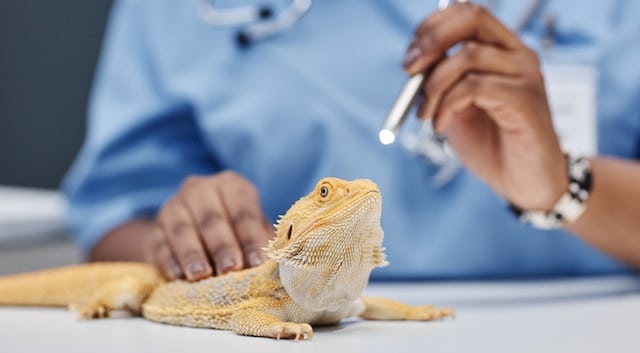
There is more to keeping your bearded dragon healthy than a proper enclosure setup and diet. They also need regular health checks and clean enclosures to prevent diseases or parasites that could shorten their lifespan. Taking your bearded dragon to a veterinarian for regular health checkups is important for detecting potential health issues in the early stages. Most health issues are easier to treat in the early stages, which gives your bearded dragon a better chance of a successful recovery.
Stress Levels
Stress is not good for anyone, and that includes bearded dragons. Prolonged stress can weaken their immune system, making them more susceptible to certain diseases and infections. Minimizing stress is important for preventing health issues and extending their lifespan. Bearded dragons can become stressed from various factors like an incorrect enclosure setup, improper temperatures, a poor diet, or being handled incorrectly.
Common Health Issues That Impact a Bearded Dragon‘s Lifespan
There are many common health issues that can drastically shorten your bearded dragon’s lifespan.
Bearded Dragon Metabolic bone disease
This is a common health issue linked to calcium deficiency or poor exposure to UVB lighting. Symptoms range from lethargy, bone deformities, and organ damage, all of which can drastically shorten a bearded dragon’s lifespan if left untreated. It’s mostly seen in bearded dragons under two years old but can affect them at any age.
Bearded Dragon Respiratory infections
Bearded dragons can develop respiratory infections from high humidity levels and prolonged exposure to cold temperatures. Excessive moisture from high humidity levels can cause bacteria to build up in the lungs. Respiratory infections usually start with symptoms such as excessive nasal discharge and decreased appetite but can quickly progress to severe breathing difficulties, which can be fatal if left untreated.
Bearded Dragon Parasites
Bearded dragons are susceptible to both internal and external parasites such as intestinal worms or mites. Parasites can lead to various health issues, including dehydration, malnutrition, and skin infections that could shorten their lifespan. That’s why it’s important to keep your bearded dragon’s enclosure clean and hygienic to help prevent them from contracting parasites.
Bearded Dragon Impaction
This occurs when undigested food or inedible objects (such as substrate or stones) get stuck in a bearded dragon’s digestive tract. Gut impaction usually happens when bearded dragons do not have the correct temperatures to digest their food properly. They are cold-blooded and need external heat to maintain a healthy digestive system. Make sure your bearded dragon has access to a warm basking area during the day to prevent gut impaction.
Bearded Dragon Obesity
Just like humans, bearded dragons can become obese if they are overfed or don’t get enough exercise. Obesity can put a strain on their cardiovascular system, which could put them at risk of developing heart disease and reduce their life expectancy.
Tips for Extending Your Bearded Dragon’s Lifespan
Feed a Balanced Diet
Bearded dragons need a varied diet consisting of insects, vegetables, occasional fruit, and nutritional supplements. A balanced diet ensures your bearded dragon gets all the essential nutrients that they require to be healthy and to prevent certain health issues linked to poor diets. Their dietary needs vary slightly depending on their age, so you can expect to make a few adjustments as they mature.
Baby bearded dragons should have more insects and protein in their diets to support their rapid growth and development. You should gradually offer more nutritious leafy greens as they mature to prevent obesity and digestive issues. A calcium and vitamin D3 supplement should be offered a few times a week to prevent deficiencies and metabolic bone disease.
Correct Enclosure Setup
You can help your bearded dragon live longer by keeping them in the correct enclosure setup and maintaining optimal temperature and humidity levels. Their ideal enclosure setup should be spacious and replicate their wild habitat with an external heat source and UVB lighting to bask under. They need UVB light to synthesize vitamin D3, which is essential for proper calcium absorption and to prevent metabolic bone disease.
Keep the basking temperature between 95°F to 110°F and the cooler side between 80°F to 90°F. They need a proper temperature gradient to thermoregulate by moving from the basking area to the cooler side. Otherwise, bearded dragons can overheat, which is fatal. The humidity levels should be between 30-40% to replicate the dry desert conditions in their natural habitat.
Regular Vet Check-ups
Taking your bearded dragon for yearly health checkups at the vet is a great way to monitor their overall health and detect any health issues early on. Not all health issues are easy to treat once they progress to the severe stages, which gives your bearded dragon a lower chance of survival. You ideally want to take them to a vet who specializes in treating reptiles, as not all vets are knowledgeable about bearded dragons.
During the yearly health checkups, the vet will monitor their general physical appearance, weight, size, and well-being. Some vets might do a stool sample to check for internal parasites during the appointment as well.
Exercise and Enrichment
Bearded dragons need exercise and enrichment daily to prevent boredom and obesity. The best form of exercise for these reptiles is a spacious enclosure for roaming and various enriching activities to keep them entertained. They can become lethargic if they are housed in a cramped enclosure without enrichment, so make sure you set up their enclosure correctly. An enclosure that replicates their wild habitat with plants, branches for climbing, and different substrate textures is the best form of enrichment. They enjoy exploring new things in their enclosure and having multiple enriching activities to do throughout the day.
Proper Handling
Handling your bearded dragon correctly is important for minimizing stress and injuries from accidental falls or rough handling. Bearded dragons can get stressed if they are handled for too long, so make sure handling sessions are kept relatively short. It’s best to handle them in a calm and safe environment, ideally over a couch or bed, in case they fall. Remember, most bearded dragons don’t like being taken away from their enclosure where they feel safe and protected.
Life Expectancy of Different Bearded Dragon Morphs
Bearded dragons have the same lifespan of 10 to 15 years in captivity, regardless of their morph. Their morph is mostly for aesthetics and doesn’t necessarily influence their overall life expectancy. However, some morphs are linked to certain genetic health problems that reduce their lifespan.
Silkback bearded dragon morphs have fragile skin due to their lack of protective scales. Their skin can become damaged easily, making them prone to wounds that can become infected. There is also a concern with poorly bred translucent bearded dragons developing neurological issues, such as head wobbles or seizures.
Signs of Aging in Bearded Dragons
Senior bearded dragons are fragile and often need slight adjustments to their enclosure setup and diet. An aging bearded dragon will move slower and might be less active than usual. They might start eating less because they aren’t moving much and don’t need as much food as they did when they were more active. It’s also not unusual for some aging bearded dragons to appear duller than when they were younger.
Aging is a natural process that all bearded dragons will go through, however, signs of aging should appear gradually rather than suddenly. It’s concerning if your bearded dragon suddenly starts showing signs of a decreased appetite and lethargy, and they could have a potential health problem.
Bearded Dragon Euthanasia
Like with most pets, euthanasia is a humane way to help your bearded dragon if they are suffering and have a poor quality of life. It’s often used as a last resort for very sick or injured bearded dragons who are unlikely to recover from their condition. Some common cases would be for bearded dragons with severe metabolic bone disease, which can cause issues with mobilities, organs, and untreatable skeletal deformities.
If you have to consider euthanizing your bearded dragon as a kind way to end their suffering, it’s important to only have a qualified veterinarian do it. They will guide you through the difficult process and help you determine if it’s the right choice for your bearded dragon.
Conclusion
Bearded dragons have an average life expectancy of 10 to 15 years, while their wild counterparts typically only live for 5 to 8 years. You can extend your bearded dragon’s lifespan and ensure they live a long and healthy life by caring for them properly and feeding them a balanced diet. Taking them to the vet when they are sick or injured is important for treating health issues and improving their quality of life so that they can live longer. Make sure you always monitor their overall health and well-being and keep them in optimal living conditions.
FAQs
How long do bearded dragons live as pets?
Bearded dragons live for between 10 to 15 years in captivity if they are cared for properly. They live significantly shorter in the wild because of predation, food and water scarcity, and unfavorable weather conditions.
What can shorten a bearded dragon’s lifespan?
Factors like poor diets, health issues, improper enclosure setups, and incorrect temperature and humidity levels can shorten a bearded dragon’s lifespan. Poor genetics, usually caused by bad breeding practices, can also shorten their lifespan and make them prone to certain hereditary health problems.
Can diet affect a bearded dragon’s life expectancy?
Yes, diet has a major role in a bearded dragon’s overall life expectancy. An improper diet can lead to malnutrition, obesity, and nutritional deficiencies that can be fatal. Vitamin and mineral deficiencies can cause several health issues that can shorten their lifespan, with metabolic bone disease being the most common one. It’s important to feed your bearded dragon a balanced diet that consists of insects, vegetables, vitamin D3, and calcium supplements.
What are the signs that my bearded dragon is aging?
Slower movements, lower activity levels, and dull scales are the most common signs a bearded dragon is aging. Aging is a natural process that isn’t a cause for concern unless the signs appear suddenly, which could indicate a potential health problem.