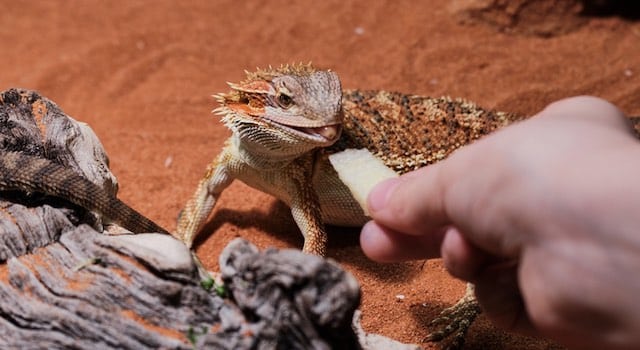
Walk into almost any conversation about bearded dragon diets, and fruit comes up quickly. The colorful slices of strawberry and mango you see in so many “beardie salad” photos look healthy, the dragons clearly love them, and surely a bit of fruit is natural… right?
Here’s the part that surprises a lot of keepers: fruit is not part of a bearded dragon’s natural diet at all. When researchers have studied what wild bearded dragons actually eat, fruit barely registers. These are arid-zone animals from the Australian outback, where fruit-bearing plants are scarce, and their bodies simply aren’t built to process the high sugar loads that fruit delivers.
That doesn’t mean a tiny piece of fruit will harm a healthy dragon. But it does mean fruit should be a rare treat at most — not a regular part of the diet — and understanding why comes down to both the science of what these animals evolved to eat and the real health risks that come with feeding too much sugar. Let’s go through both.
The Short Answer
Bearded dragons can physically eat most non-toxic fruits, and a single small bite won’t poison a healthy dragon. But our recommendation is clear and firm: don’t feed fruit to your bearded dragon at all — not even as an occasional treat. Fruit is not a natural or necessary part of their diet; it carries real health risks, and there’s nothing in fruit your dragon can’t get more safely from leafy greens and insects. The sugar simply isn’t worth the dental disease, gut problems, and other issues it causes. Skip it entirely and let greens and bugs do the work.
Fruit Isn’t Part of the Natural Wild Diet
The strongest argument against fruit comes from looking at what bearded dragons actually eat in the wild. Several studies have analyzed the stomach contents and diet of free-roaming central bearded dragons (Pogona vitticeps), and the picture is remarkably consistent: insects and leafy plant material, with fruit essentially absent.
- Oonincx et al. (2015) analyzed the stomach contents of free-roaming wild Pogona vitticeps and found the diet was roughly 61% animal material (mostly insects, especially termites) and 16% plant material — leaves and vegetation. Fruit was not a meaningful component. The researchers concluded that a diet of several insect species supplemented with leafy vegetables best resembles the natural diet. You can read the study on PubMed or via Zoo Biology.
- Badham (1971), in a foundational PhD thesis at the University of Sydney, examined the stomach contents of 60 wild central bearded dragons across three years. The plant material found was leaves, flowers, and vegetation — not fruit.
- MacMillen et al. (1989) studied xerophilous (dry-climate) lizards including bearded dragons and found adults ate a high proportion of plant matter — again, leafy and vegetative material from their arid environment, not fruit.
This makes sense when you think about where bearded dragons live. The arid and semi-arid regions of central Australia aren’t full of fruiting trees and berry bushes. A wild dragon’s plant intake comes from hardy desert vegetation — leaves, flowers, and the occasional succulent — alongside the insects that make up the bulk of their protein. Sugary fruit simply isn’t on the menu, because it isn’t there to eat.
Our entire care philosophy is built on replicating the wild as closely as possible. If fruit isn’t part of the natural diet, it shouldn’t be a regular part of the captive one either. The field research of Dr Jonathan Howard (BeardieVet) on wild dragon diet composition reinforces exactly this point.
The Dangers of Feeding Fruit to Bearded Dragons
Beyond simply not being natural, fruit carries several genuine health risks when it becomes a regular part of the diet. Here’s what too much fruit can cause.
Dental Disease
This is one of the most under-appreciated dangers. The majority of a bearded dragon’s teeth are acrodont — they sit directly on the jaw bone with no sockets or roots, and crucially, they cannot grow back once lost. The high sugar content in fruit feeds the bacteria that cause gingivitis and periodontal disease, and soft sugary foods coat the teeth in a way that crunchy greens and insects don’t. Dental disease in bearded dragons is painful, difficult to treat, and largely preventable — and excess fruit is a major contributor.
Obesity and Fatty Liver Disease
Fruit is calorie-dense and sugar-heavy. Fed regularly, it contributes to obesity, which in bearded dragons frequently progresses to hepatic lipidosis — fatty liver disease. This is a serious, sometimes fatal condition. Bearded dragons in captivity are already prone to becoming overweight from overfeeding and under-exercising; adding regular sugary fruit accelerates the problem.
Digestive Upset and Diarrhea
A bearded dragon’s gut flora is adapted to a low-sugar, high-fiber, insect-and-leaf diet. Introducing fruit sugar disrupts that balance, often resulting in loose stools or diarrhea. Worse, the sugar feeds and increases the fungal culture in the gut — fruit promotes yeast and fungal overgrowth that a healthy dragon’s digestive system isn’t meant to deal with. Many fruits also have a very high water content, which compounds the diarrhea problem. Persistent diarrhea leads to dehydration and nutrient loss.
Poor Calcium-to-Phosphorus Ratio
Bearded dragons need a dietary calcium-to-phosphorus ratio of around 2:1 in favor of calcium. Many fruits have an inverted ratio — more phosphorus than calcium — which actively works against calcium absorption. Over time, a phosphorus-heavy diet contributes to the calcium deficiency that drives metabolic bone disease (MBD), one of the most common and serious conditions in captive dragons.
Fussiness and Refusing Healthy Food
Bearded dragons love sugar, just like we do. Feed fruit regularly, and many dragons start holding out for the sweet stuff, refusing the leafy greens that should make up the bulk of an adult’s diet. Creating a “fussy” dragon that won’t eat its salad is a self-inflicted problem that’s much easier to avoid than to fix.
Acidic and High-Oxalate Fruits
Some fruits carry extra risks. Citrus fruits (oranges, lemons, limes, grapefruit) are too acidic and commonly cause digestive upset — best avoided entirely. Certain fruits are also high in oxalates, which bind calcium and make it unavailable to the body, adding to the MBD risk already discussed.
Why We Say No Fruit at All — Not Even as a Treat
You’ll see plenty of advice online suggesting fruit is fine “as an occasional treat.” We take a firmer line, and here’s the reasoning. There is no nutritional gap in a proper bearded dragon diet that fruit fills — everything they need comes from leafy greens, vegetables, and a varied insect rotation. So feeding fruit adds nothing but risk: sugar that promotes dental disease and fungal overgrowth in the gut, calories that drive obesity, and a sweet taste that makes many dragons fussy about the greens they actually need.
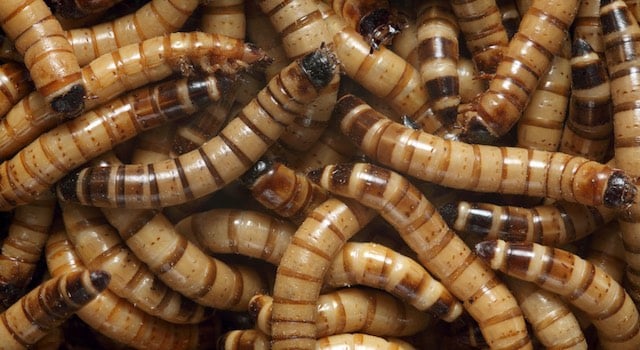
When a food offers no benefit and carries real downsides, the simplest answer is to leave it out entirely. That’s our position: no fruit, even as a treat. If you want to give your dragon something special, a hand-fed favorite insect (a black soldier fly larva or a single silkworm) or a brightly colored edible flower like a hibiscus or rose petal is a far better “treat” than fruit — and one that actually fits their natural diet.
The Most Harmful Fruits (If You’re Going to See Them Anywhere)
While we recommend skipping fruit altogether, a few are worth singling out as especially bad — and a couple are genuinely dangerous:
- Avocado — genuinely toxic to bearded dragons. Never feed it under any circumstances.
- Citrus fruits (oranges, lemons, limes, grapefruit) — too acidic, cause digestive upset.
- Watermelon and other high-water fruits — almost no nutrition, mostly sugar and water, frequently cause diarrhea.
- Dried fruit — concentrated sugar, often with added preservatives.
- Canned or processed fruit — added sugars and syrups, never appropriate.
Frequently Asked Questions
Here are quick answers to the specific fruit questions we get asked most often. The theme is consistent: while most of these aren’t toxic, our recommendation for every one of them is the same — skip it. None are necessary, and all carry the sugar, dental, and gut concerns covered above.
Can Bearded Dragons Eat Grapes?
We recommend against it. Grapes are very high in sugar and have a poor calcium-to-phosphorus ratio, so they bring all the dental, gut, and calcium concerns of fruit with no benefit to offset them. There’s no nutritional reason to feed grapes, so we’d leave them out entirely.
Can Bearded Dragons Eat Strawberries?
We recommend against it. Strawberries are often called one of the “safer” fruits, but they’re still sugary and still carry the same risks — and like all fruit, they offer nothing your dragon can’t get more safely from greens and insects. Our advice is to skip them.
Can Bearded Dragons Eat Bananas?
We recommend against it — and bananas are one of the worst offenders. They’re high in sugar and have a particularly poor calcium-to-phosphorus ratio, heavily weighted toward phosphorus, which actively works against calcium absorption and adds to MBD risk. There’s no good reason to feed bananas, so we’d leave them out.
Can Bearded Dragons Eat Apples?
We recommend against it. Apple is often suggested as a “moderate” fruit, but it’s still sugar with the same downsides, and apple seeds contain compounds that aren’t safe. As with every fruit, there’s no nutritional need for it, so our advice is to skip it and stick to greens.
Can Bearded Dragons Eat Watermelon?
We recommend against it — watermelon is one of the clearest “no” answers. It’s almost entirely water and sugar with virtually no nutritional value, and the high water content frequently causes diarrhea. There are far better ways to hydrate your dragon: misted salads and well-gut-loaded insects.
What to Feed Instead
If fruit isn’t the answer, what should make up your dragon’s plant intake? The model that mirrors the wild diet:
- Dark leafy greens as the daily staple — dandelion greens, endive, arugula (rocket), watercress, mustard greens, collard greens, bok choy, and similar
- Edible flowers — dandelion flowers, hibiscus, rose petals, nasturtium, pansies (pesticide-free)
- A smaller amount of other vegetables — grated squash, bell pepper, green beans, and the like
- Fresh herbs for variety — basil, mint, rosemary, cilantro, and parsley all make excellent additions to the salad rotation
This combination gives your dragon everything they’d get in the wild — without the sugar. For the full breakdown of greens, insects, supplementation, and feeding schedules by age, see our bearded dragon food and nutrition section.
The Bottom Line
Can bearded dragons eat fruit? Physically, a bite won’t poison a healthy dragon — but our answer is a clear no, not even as a treat. The research on wild bearded dragons shows fruit isn’t part of their natural diet, and the health risks — dental disease, fungal overgrowth in the gut, obesity, calcium imbalance, and fussiness — all point the same way. Fruit fills no nutritional gap, so there’s simply no good reason to take on the downsides. Leave fruit out, build the diet around leafy greens and a varied insect rotation, and your dragon’s teeth, gut, liver, and long-term health will all be better for it.
References and Further Reading
- Oonincx, D., van Leeuwen, J., Hendriks, W. and van der Poel, A. (2015). The diet of free-roaming Australian Central Bearded Dragons (Pogona vitticeps). Zoo Biology, 34: 271-277. View on PubMed
- Badham, J.A. (1971). A comparison of two variants of the bearded dragon, Amphibolurus barbatus (Cuvier). PhD Thesis, University of Sydney.
- MacMillen, R.E., Augee, M.L., and Ellis, B.A. (1989). Thermal ecology and diet of some xerophilous lizards from western New South Wales. Journal of Arid Environments, 16(2): 193-201.
- BeardieVet (Dr Jonathan Howard) — ongoing field research on wild bearded dragon diet and husbandry
Keep Reading
- Bearded Dragon Food and Nutrition — the full guide to greens, insects, and supplementation
- Are Bearded Dragons Good Pets? — an honest look at the commitment, including diet
- Bearded Dragon Impaction — how diet and husbandry affect digestion
- Bearded Dragon Health and Disease — including metabolic bone disease and fatty liver
Join the My Pet Reptile community
If this guide helped clear up the fruit question, subscribe to our newsletter for evidence-based care guides, husbandry tips, and the occasional myth-bust delivered straight to your inbox. And come join our Facebook group — it’s a friendly place to share your dragon’s salad creations, ask diet questions, and learn from keepers who base their advice on real research rather than recycled myths.
The information in this guide is general in nature and is not a substitute for advice from a qualified reptile veterinarian.
Sign Up for Our Newsletter